

Hunan has four new national wetland parks
2022-12-26
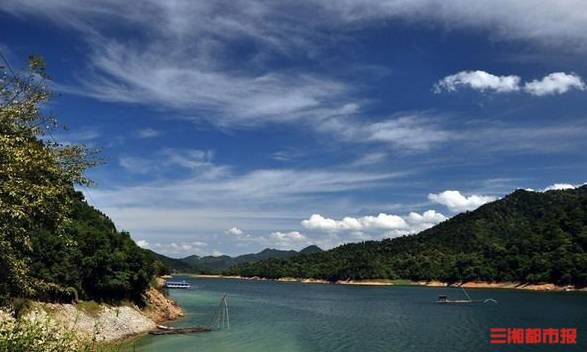
The Guanzhuang River National Wetland Park covers a wetland area of 12,000 mu (8 square kilometers). There are 2 species of national first-class protected plants, 3 species of national second-class protected plants and 215 species of vertebrates in the park.
Covering a total area of 203 square kilometers, it borders Liuyang City, 30 kilometers away from Liling downtown, 45 kilometers away from Zhuzhou City and 80 kilometers away from Changsha City.
Covering a total area of 203 square kilometers, it borders Liuyang City, 30 kilometers away from Liling downtown, 45 kilometers away from Zhuzhou City and 80 kilometers away from Changsha City.
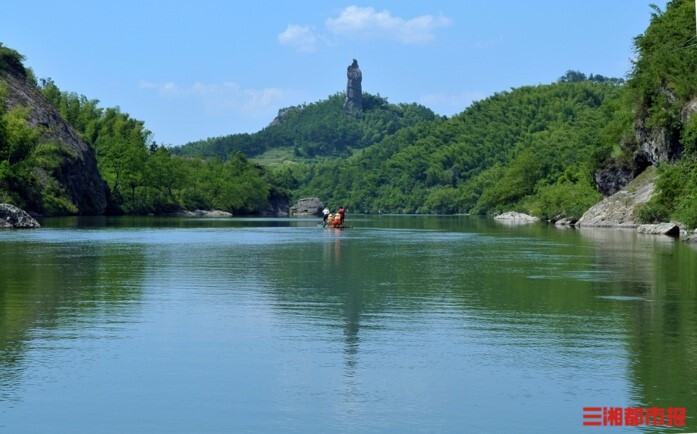
The Fuyi River National Wetland Park is located in Xinning County of Shaoyang City, covering a total area of 1,730.1 hectares. There are 186 species of wild vertebrates in 5 classes, 25 orders and 64 families in and around the park, and 957 species of seed plants in 160 families and 551 genera in the park. There are 69 families, 172 genera and 238 species of wetland plants, and 5 species of national second-class protected plants.
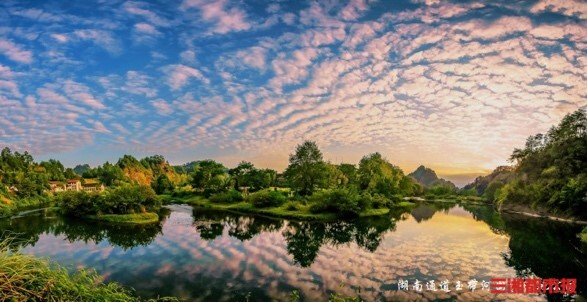
The Yudai River National Wetland Park is situated in the middle of Tongdao Dong Autonomous County. It covers a total area of 1,503.8 hectares, including 984.5 hectares or a wetland rate of 65.46 percent.
The Yudai River National Wetland Park is situated in the middle of Tongdao Dong Autonomous County. It covers a total area of 1,503.8 hectares, including 984.5 hectares or a wetland rate of 65.46 percent.
It boasts rich biodiversity, with a total of 832 species of seed plants in 153 families and 533 genera. A new species of Primulaceae from Hunan Province was discovered. There are 224 species of wild vertebrates in 5 classes, 29 orders and 80 families, including one species of Elliot's Pheasant under state protection.
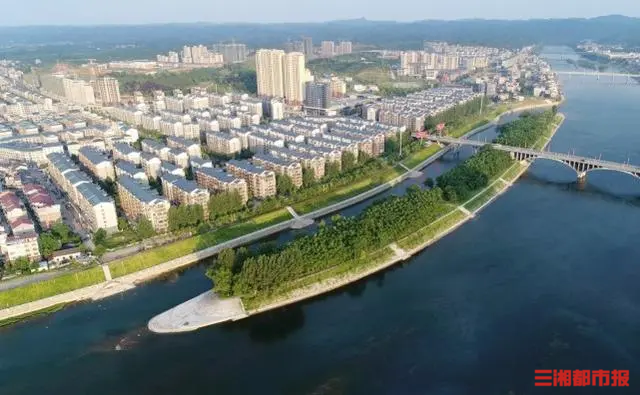
The Jinjiang River National Wetland Park has a planned area of 1,918.8 hectares, including 1,566.1 hectares of various wetlands or 81.6 percent of wetland area. The wetland park is divided into five functional areas: the conservation area, the rehabilitation area, the publicity and education exhibition area, the rational utilization area and the management service area.
