

Hunan has four new national first-class museums
2024-05-28
Hunan Museum of Geology
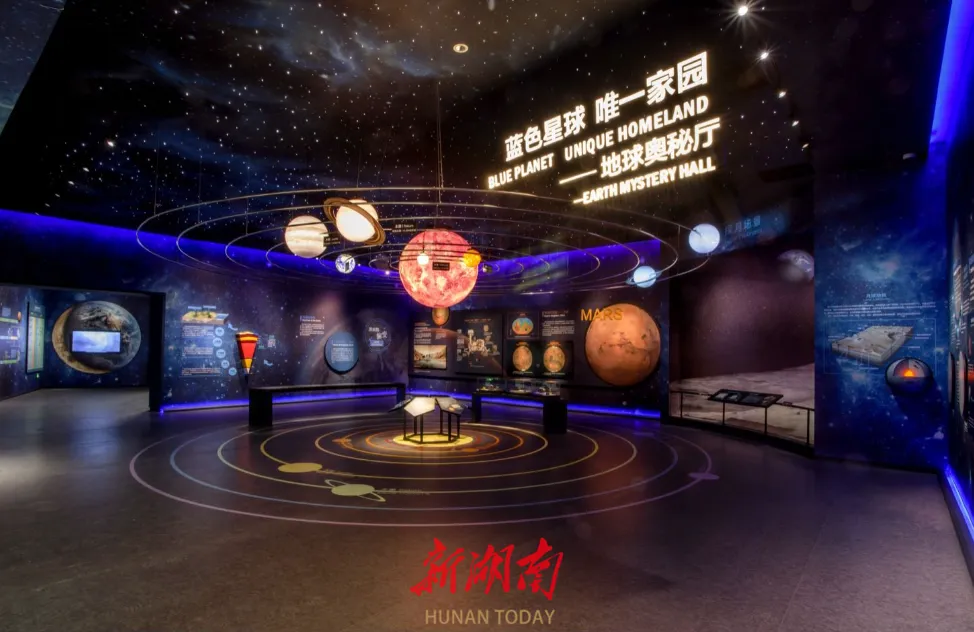
Hunan Museum of Geology was inaugurated in 1927. It’s one of the earliest provincial-level geological museums established in China and the largest natural science museum in Hunan Province.
The museum has designed over 30 themed courses and launches over 300 science popularization activities each year, providing in-depth services for about 30,000teenagers.
It has implemented over 20 research projects related to paleontology, exhibitions, museum management and popular science education. It has also compiled and published a series of scientific popularization books such as “Paleontological Research Progress in Hunan”. Natural science education has been carried out jointly by the museum and 11 primary and secondary schools.
A total of 738 cultural and creative products have been developed, including mineral crystals, jewelry, simulated animals and books. Among them, derivatives of the dinosaur fossils and mineral crystals are loved by visitors.
The Autumn Harvest Uprising Memorial Garden in Wenjiashi
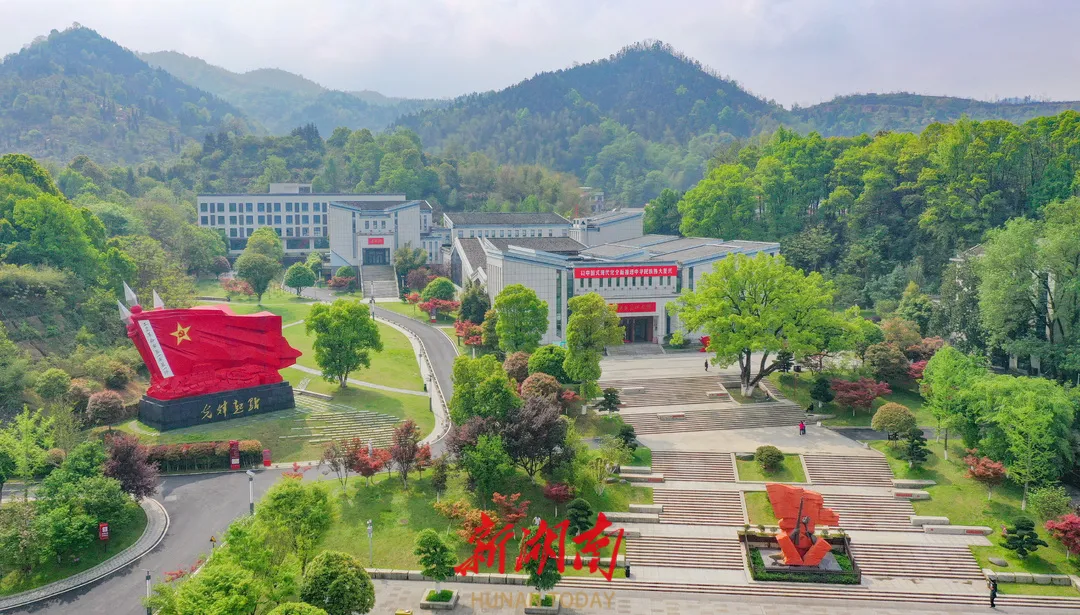
The Scenic Spot of the Autumn Harvest Uprising Memorial Garden is located in Wenjiashi Town, Liuyang City. It’s made up of Wenjiashi site of military gathering of the Autumn Harvest Uprising, plot barn, the square of the autumn harvest uprising, the red flag sculpture, etc.
The museum conducted academic research based on Red cultural resources, and built a collaborative research center for revolutionary cultural relics with the School of History and Culture of Hunan Normal University.
It has implemented diversified social education, innovated music Party history courses and situational teaching ways, and held 122 teaching activities on Party history education and national defense.
It has provided Red culture education for more than 6,000 students from 14 primary and secondary schools in Wenjiashi Town. Seven learning packages were provided for over 200,000 Party members across the country. The 11 Party classes launched by the museum attracted millions of Party members to attend.
Zhuzhou Museum
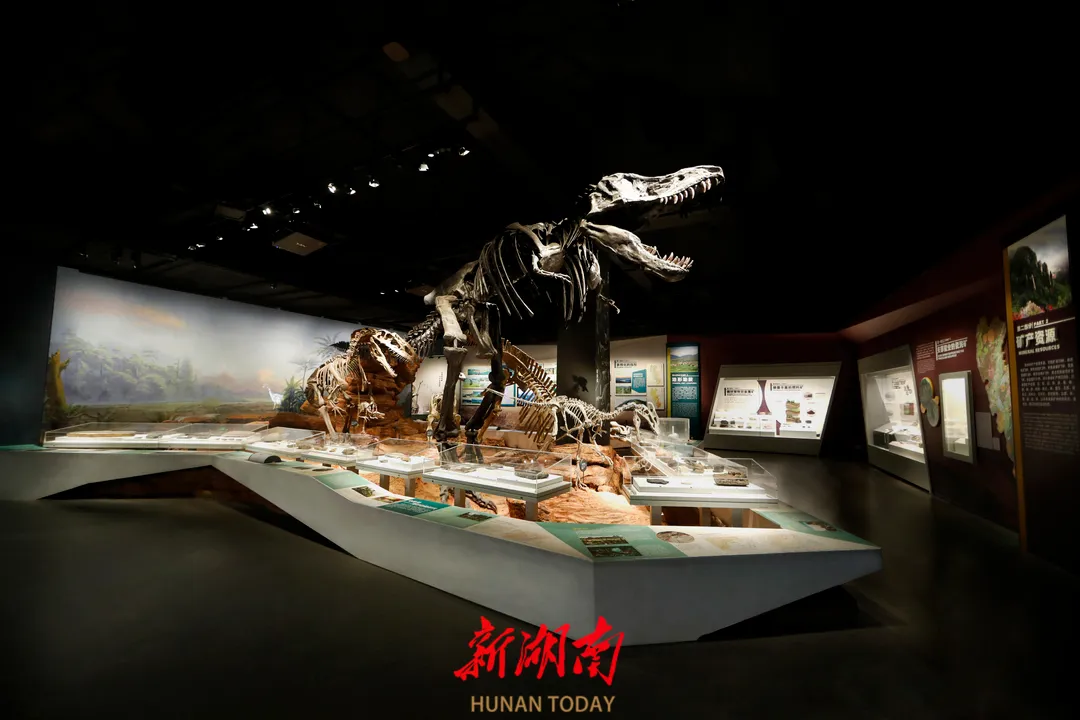
Zhuzhou Museum is a comprehensive museum that showcases the natural resources, history, folk customs and artistic achievements of Zhuzhou City.
The museum features collections with unique regional characteristics, including dinosaur fossils, prehistoric cultivated rice, Shang and Zhou bronze ware, academy relics and Red relics.
The museum features collections with unique regional characteristics, including dinosaur fossils, prehistoric cultivated rice, Shang and Zhou bronze ware, academy relics and Red relics.
The basic exhibition on “Cultural and Geographical Display of Zhuzhou’s Natural Geography, History and Culture” was approved as a theme exhibition of “Promoting Excellent Traditional Culture and Cultivating Socialist Core Values” in 2020.
The museum has held 216 lectures and forums. The Boyue learning platform has attracted more than 40,000 children to participate. It has also developed more than 200 cultural creative products.
Liling Museum
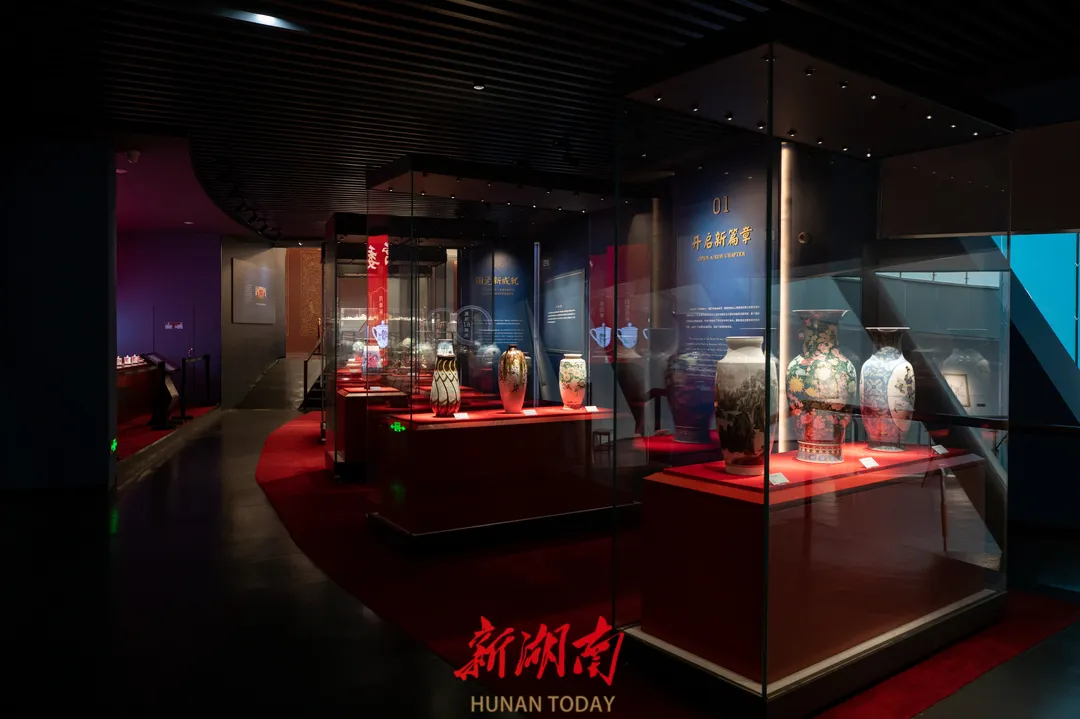
Liling Museum focuses on the development of Liling ceramic art and Mao Zedong’s inspection of the Hunan Peasant Movement in Liling City, carrying out cultural relics collection and display, archaeological research, cultural and creative development, social education and cultural exchanges.
A series of measures have been taken to introduce exhibitions and activities into schools, communities, villages and enterprises. It has also cooperated with Ceramics Fireworks Vocational Technology School of Liling and Taozihu School affiliated with Hunan Normal University to carry out volunteer docent activities, and launched intangible cultural heritage experience activities to enhance the public’s sense of experience.
A series of measures have been taken to introduce exhibitions and activities into schools, communities, villages and enterprises. It has also cooperated with Ceramics Fireworks Vocational Technology School of Liling and Taozihu School affiliated with Hunan Normal University to carry out volunteer docent activities, and launched intangible cultural heritage experience activities to enhance the public’s sense of experience.
It has also held exhibitions on ceramic culture, calligraphy and painting art, and Red culture with local characteristics at the Palace Museum, National Museum of China and the Capital Museum of China to expand the cultural influence of Liling.
