Three national-level representative items of ICH from Hunan
2022-12-02
“Traditional tea processing techniques and associated social practices in China” consists of knowledge, skills and practices concerning management of tea plantations, picking of tea leaves, and the processing, drinking and sharing of tea. Since ancient times, the Chinese people have been planting, picking, making and drinking tea. Based on natural conditions and local customs, Chinese tea producers have developed six categories of tea, which are green, yellow, dark, white, oolong and black, as well as other varieties like flower-scented teas. There are a total of over 2,000 tea products for drinking and sharing. In the meantime, different customs have gradually taken shape. They have been passed down from generation to generation and are still practised in daily life, rituals and festivities of the Chinese people.
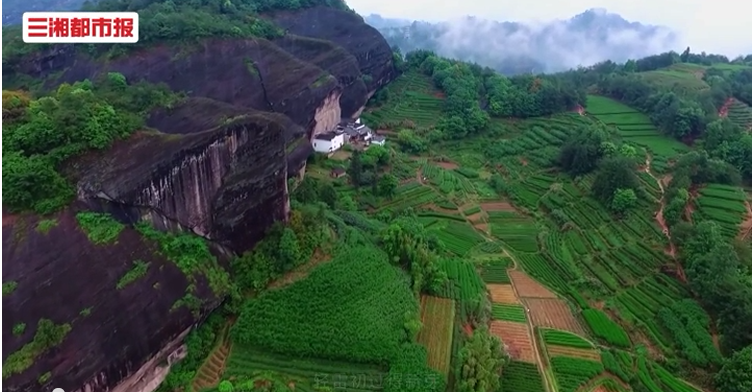
44 items related to “Traditional tea processing techniques and associated social practices in China” have been successively inscribed on the national intangible cultural heritage list. Among them, three national-level representative items of intangible cultural heritage from Hunan, namely the processing techniques of Qianliang Tea, Fuzhuan Tea and Junshan Silver Needle Tea, have been included on the Representative List of the Intangible Cultural Heritage of Humanity.
Qianliang Tea processing technique
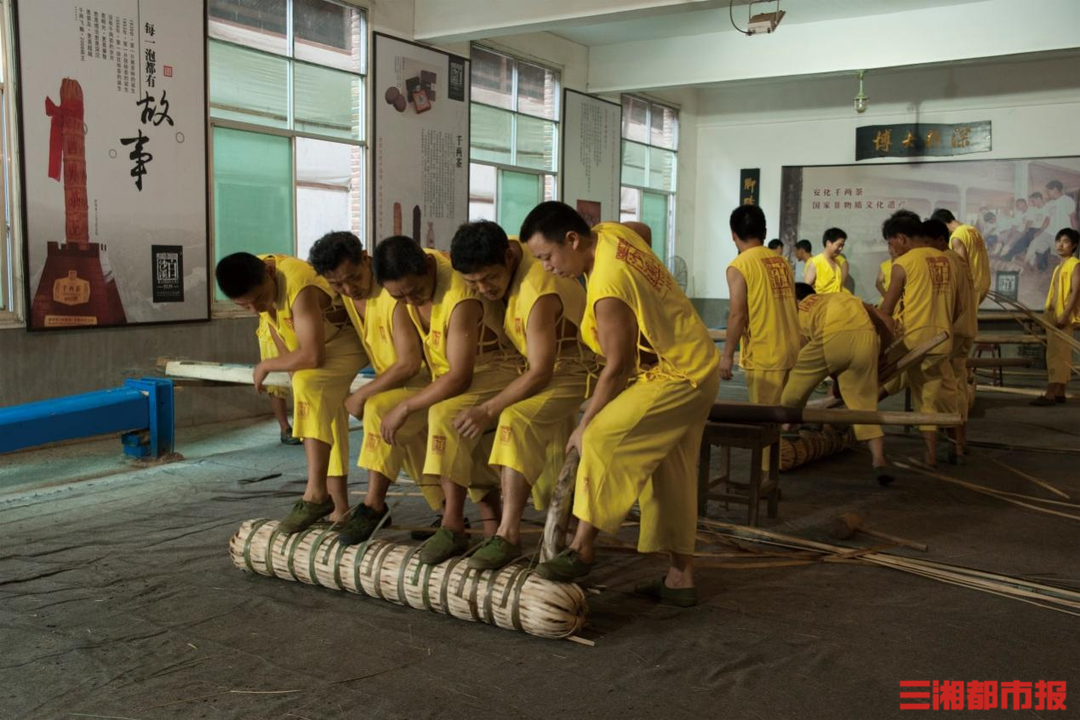
Anhua Qianliang Tea belongs to the dark tea, and its process originated and was passed down in Anhua County of Yiyang City, with a history of 140 years. In the first year during the reign of Emperor Daoguang in the Qing Dynasty, the local tea merchants, in order to facilitate transportation, bundled the collected dark tea into small cylinders and set each one at 100 taels (16 taels of scales), hence the name “Bailiang Tea”.
In the second year during the reign of Emperor Tongzhi in the Qing Dynasty, several tea farmers in Bianjiang Village of Jiangnan Town, on the basis of Bailiang tea, created Qianliang Rolled Tea, weighing 1,000 taels of old scales. Anhua Qianliang Tea is made by hand and is produced by indigenous methods in two stages, with tools such as saws, cutters and scrapers.
In 2008, the Dark Tea processing technique (Qianliang Tea processing technique) was selected in the second batch of the National List of Representative Elements of Intangible Cultural Heritage, with Anhua Cultural Center as main body for its protection.
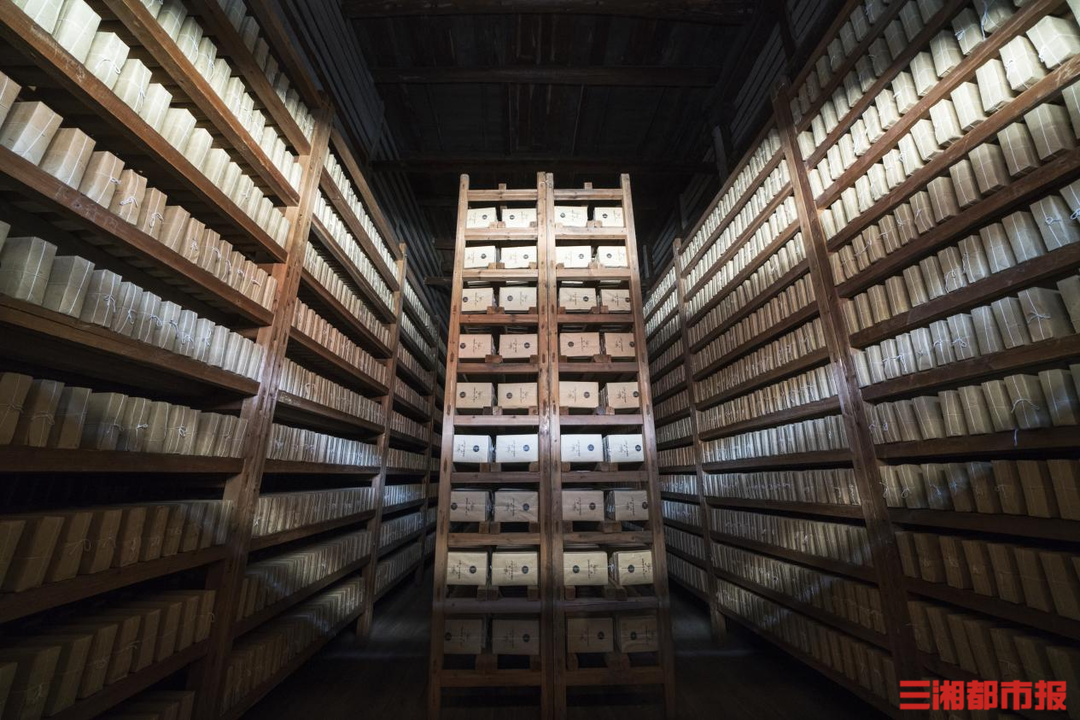
Yiyang Fuzhuan Tea is a type of dark tea, one of the six categories of tea in China. Fuzhuan Tea has the most complex technique, longest processing and highest cost among all Chinese tea products, with more than 50 processes.
In 2008, the Dark Tea processing technique (Fuzhuan Tea processing technique) was selected in the second batch of the National List of Representative Elements of Intangible Cultural Heritage, with Yiyang Tea Factory as main body for its protection.
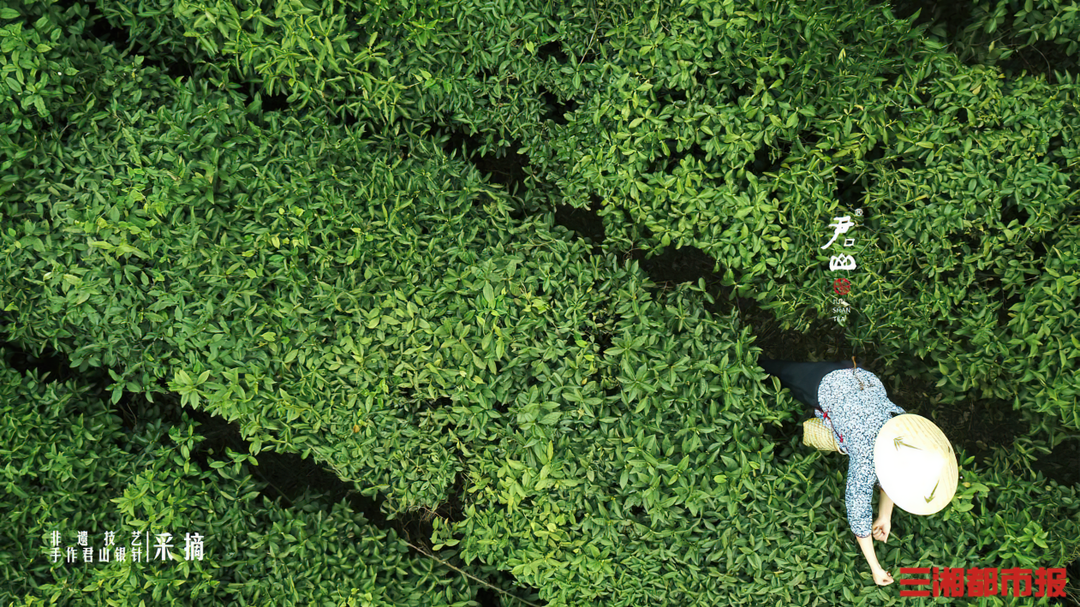
Junshan Silver Needle Tea boasts excellent color, aroma, taste and shape, which is a unique example of yellow tea in China. Junshan (Silver Needle) Tea was produced in the Tang Dynasty and was first presented to the imperial court as tribute in the Five Dynasties.
Junshan Silver Needle Tea processing technique not only carries the memories of production and life of generations of Yueyang people, but also has distinctive regional characteristics and strong cultural deposits to enhance the cultural taste of urban and rural landscape. It is composed of two parts, picking and making, both have strict requirements that one can only pick 200 grams a day.
Junshan Silver Needle Tea is made in eight stages, taking 72 hours.
At present, Junshan Silver Needle Tea processing technique has been passed down to the fifth generation. The main places of inheritance are Junshan Tea Farm, Junshan Royal Tea Garden and Junshan Silver Needle Yellow Tea Industrial Park.